Hunting & Wildlife Guide
Hunting megafauna and wildlife is one of the most thrilling and dangerous activities in Folk Emerging. This guide covers everything you need to know about tracking prey, preparing hunts, and bringing home the resources your family needs to survive.
Wildlife and Ecosystems
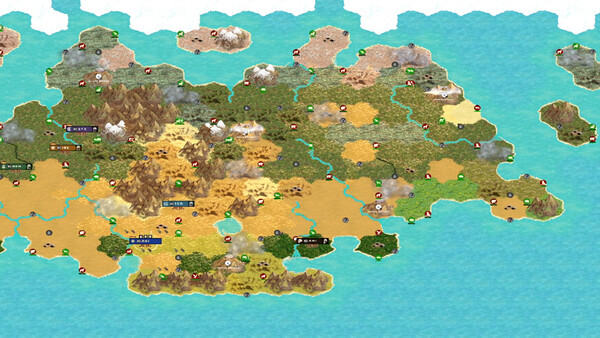
Folk Emerging features deeply simulated ecosystems where animal populations behave realistically. Herds migrate with the seasons, predators hunt prey, and overhunting an area can deplete wildlife for extended periods. Understanding these ecological systems is essential for sustainable food gathering.
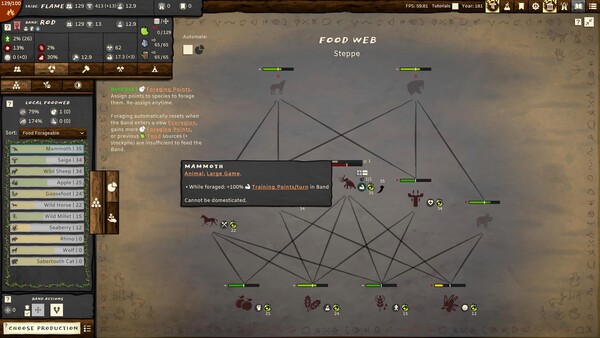
Different biomes support different animal populations. Open grasslands may host large herds of herbivores, while forests shelter smaller but more varied prey. Megafauna — the massive prehistoric animals — are rare and dangerous but provide enormous resource yields when successfully hunted.
- Animal herds migrate seasonally — track their movement patterns
- Overhunting depletes local wildlife and forces you to relocate
- Predators can threaten your family if you camp in their territory
- Megafauna hunts are high-risk, high-reward encounters
- Different ecosystems support different types of wildlife
Preparing for the Hunt
Successful hunting in Folk Emerging requires preparation. Before sending your characters out to hunt, ensure they are equipped with appropriate weapons and tools. Characters with higher hunting skills are more effective and less likely to be injured during encounters with dangerous prey.
Scouting the area beforehand can reveal prey locations, herd sizes, and potential dangers. A well-prepared hunt with the right characters and equipment is far more likely to succeed than a rushed attempt driven by desperation.
| Prey Type | Danger Level | Resource Yield | Recommended Party Size |
|---|---|---|---|
| Small game (rabbits, birds) | Very Low | Low — quick meals | 1–2 hunters |
| Medium game (deer, boar) | Low to Moderate | Moderate — meat and hides | 2–3 hunters |
| Large game (bison, elk) | Moderate | High — feeds the family | 3–4 hunters |
| Megafauna (mammoth, etc.) | Very High | Very High — massive yields | Full hunting party |
| Predators (wolves, bears) | High | Moderate — hides and bones | 3–4 experienced hunters |
Hunting Mechanics and Combat
When you engage prey, the encounter uses the game's autobattler combat system. Your hunters are positioned against the animal, and the outcome is determined by character stats, equipment, and positioning. Larger and more dangerous animals require coordinated group efforts.
Injuries during hunts are a real risk. A wounded character takes time to recover and cannot contribute to gathering or defense while healing. Weigh the potential food gain against the risk of losing a valuable family member, especially when targeting dangerous megafauna.
- Equip hunters with the best available weapons before each hunt
- Use characters with high hunting skills for dangerous prey
- Position your strongest fighters to absorb damage from large animals
- Consider the risk-to-reward ratio before engaging megafauna
- Injured hunters need recovery time — plan accordingly
Sustainable Hunting Practices
Because Folk Emerging simulates realistic ecosystems, overhunting has consequences. If you deplete the wildlife in an area, it may take many turns for populations to recover. This can force your family to undertake long, dangerous journeys to find new hunting grounds.
Practice sustainable hunting by rotating between different areas, targeting abundant species, and supplementing meat with foraged plants. As you progress through the technology tree, domestication eventually provides a more reliable food source that reduces your dependence on wild game.